
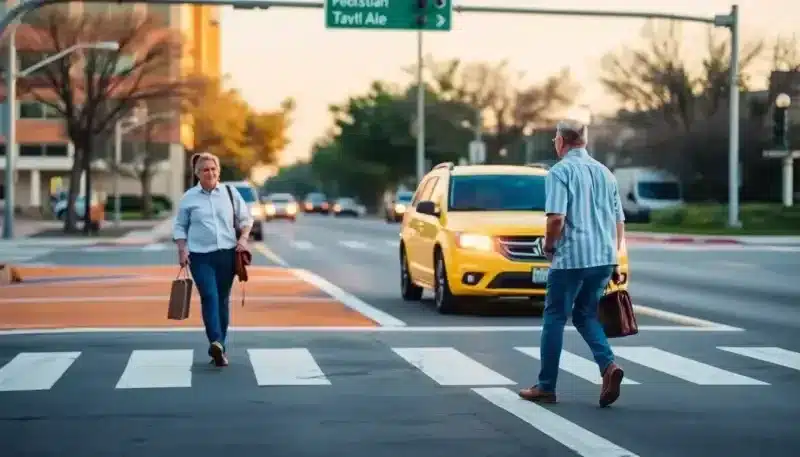
As urban environments expand and traffic increases, pedestrian accidents have unfortunately become a common occurrence in cities like Austin. For those involved, the aftermath can be overwhelming, often leading to serious injuries, significant medical expenses, and emotional distress. Understanding your rights and the steps to take can be crucial in your path to recovery.
Texas law offers protections for pedestrians, ensuring they have the same rights on the road as drivers. However, many drivers frequently neglect these responsibilities, leading to tragic accidents. If you or a loved one has been involved in such an incident, seeking legal assistance can be essential to secure the compensation you deserve.
Understanding the Causes of Pedestrian Accidents in Austin
Pedestrian accidents can happen in various locations, but certain areas in Austin, such as the University of Texas, Downtown, and South Congress, are particularly notorious for these incidents. Driver negligence is often the primary factor behind many of these accidents.
Key factors contributing to pedestrian accidents include:
- Distracted Driving: Many drivers are preoccupied with their phones, navigation systems, or conversations, leading to a lack of attention on the road.
- Excessive Speed: Speeding in urban and residential areas reduces a driver’s ability to react to pedestrians.
- Failure to Yield: Drivers sometimes ignore pedestrian right-of-way laws at crosswalks and stop signs.
- Driving Under the Influence: Alcohol or drug impairment significantly affects judgment and reaction times.
- Poor Road Conditions: Inadequate street lighting or poorly marked crosswalks can obscure visibility for both drivers and pedestrians.
Identifying Pedestrian Accident Hotspots in Austin
| Location | Primary Risk Factor | Time of Day Most Accidents Occur |
|---|---|---|
| Downtown Austin | High pedestrian and vehicle traffic | Evening rush hour |
| South Congress Avenue | High tourist activity, visibility issues | Nighttime |
| Riverside Drive | Fast-moving traffic | Morning commute |
| University of Texas Area | Student crossings, bus traffic | Afternoon |
| North Lamar & Rundberg | Poor signage, speeding vehicles | Evening |
Being aware of these hotspots can help pedestrians and drivers remain vigilant. However, the responsibility ultimately falls on drivers to exercise caution to prevent accidents.
Steps to Take After a Pedestrian Accident
If you find yourself the victim of a pedestrian accident, your immediate safety and health should be your top priority. However, it’s equally important to follow the correct legal procedures to safeguard your rights. Here’s a concise guide on what to do:
- Contact Emergency Services: Call 911 to report the accident and ensure that medical help is on the way.
- Document the Incident: If possible, take photographs of the scene, your injuries, and any vehicles involved.
- Collect Witness Information: Gather names and contact details of any witnesses who can provide statements.
- Seek Medical Attention: Even if you feel fine, some injuries can manifest later, so a medical evaluation is crucial.
- Consult a Legal Professional: Avoid discussing your case with insurance companies before consulting with an attorney.
- Preserve Evidence: Time is of the essence in gathering evidence, so act quickly.
Common Injuries Resulting from Pedestrian Accidents
The impact of a vehicle can cause severe injuries to pedestrians, often necessitating extensive medical treatment and rehabilitation. Some of the prevalent injuries include:
- Fractures: Broken bones are a common result of pedestrian accidents.
- Head Injuries: Traumatic brain injuries (TBIs) can occur, leading to long-term cognitive issues.
- Spinal Injuries: Damage to the spinal cord can result in paralysis or other serious conditions.
- Soft Tissue Damage: Lacerations and bruises can lead to significant pain and recovery time.
- Internal Injuries: Organ damage or internal bleeding can be life-threatening and require emergency care.
- Mental Health Issues: Psychological trauma, including PTSD, can affect victims long after the physical injuries have healed.
Financial Implications of Common Pedestrian Injuries
| Injury Type | Average Medical Cost | Average Recovery Time |
|---|---|---|
| Broken Leg or Arm | $15,000 – $25,000 | 4 to 8 weeks |
| Spinal Cord Injury | $250,000 – $1 million+ | 6 months to lifelong |
| Traumatic Brain Injury | $100,000 – $3 million+ | 3 months to permanent |
| Severe Lacerations | $5,000 – $20,000 | 1 to 3 weeks |
| Internal Organ Damage | $50,000 – $500,000+ | 6 to 12 weeks |
These figures are indicative of medical expenses and do not encompass non-economic damages like emotional distress or loss of quality of life, which can also be pursued in a legal claim.
Recoverable Damages After a Pedestrian Accident
If you are involved in a pedestrian accident, it’s essential to understand the types of damages you may be eligible to recover. A knowledgeable attorney can help you seek both economic and non-economic damages, including:
- Medical Expenses: This includes all emergency care, hospital stays, and ongoing rehabilitation costs.
- Lost Wages: Compensation for income lost during recovery or due to diminished earning capacity.
- Pain and Suffering: Compensation for physical pain and emotional distress caused by the accident.
- Loss of Enjoyment of Life: Damages for the impact on your daily activities and lifestyle.
- Future Medical Costs: Estimated expenses for ongoing treatment related to the accident.
- Funeral Costs: In cases of wrongful death, expenses related to the funeral and burial can be claimed.
Understanding the Statute of Limitations in Texas
In Texas, the statute of limitations for filing a personal injury claim typically is two years from the date of the accident. Failing to file within this period can result in losing your right to seek compensation. There are exceptions for minors or cases where injuries are discovered later, so consulting a legal professional is advisable.
Choosing the Right Legal Representation
When facing the aftermath of a pedestrian accident, having a dedicated legal advocate can make a significant difference in your case. An experienced attorney will work tirelessly to ensure you receive the compensation you deserve. Here are some benefits of hiring a reputable lawyer:
- Free Initial Consultation: Many firms offer no-obligation consultations to assess your case.
- No Win, No Fee: You typically pay no legal fees unless your case is successful.
- Thorough Investigation: Professionals will gather evidence to support your claim effectively.
- Access to Experts: Legal teams can consult with medical and accident reconstruction experts when needed.
- Strong Negotiation Skills: Attorneys are trained negotiators who can advocate for your best interests.
Areas Served Around Austin
Legal services for pedestrian accidents are available throughout various neighborhoods and surrounding areas, including:
- Downtown Austin
- East Austin
- North Lamar
- Travis Heights
- West Lake Hills
- Round Rock
- Pflugerville
- Cedar Park
- Kyle
- Buda
- Georgetown
- Leander
This wide reach ensures that many communities have access to the legal support they need after an accident.
What to Anticipate During Your Free Consultation
Your initial consultation with a legal team should be a straightforward and informative process. During this meeting, you can expect:
- A review of the details surrounding your accident.
- An assessment of the injuries and financial losses incurred.
- Clarification on your legal rights and potential next steps.
- Discussion of your case’s possible value and timeline for proceedings.
All consultations are confidential, and there is no obligation to proceed if you choose not to.
Taking the First Step Toward Your Recovery
Experiencing a pedestrian accident can be a harrowing ordeal. You don’t have to navigate the recovery process alone. Seeking legal assistance can help you hold negligent drivers accountable and work towards making Austin’s streets safer for all pedestrians.
Reach out today to discuss your situation and explore your options for pursuing justice and compensation. Your journey to recovery can begin with the right support and guidance.